




.png?itok=HBSyMDok "UAE Breaks Heat Record With 51.6°C - Here’s How to Stay Safe and Sane This Summer")


























We can't stress enough the importance of using a seat belt for your child while driving in the car. It doesn't matter how long of a journey it is, make sure they're safe!
23 July 2013
| Last updated on 14 December 2017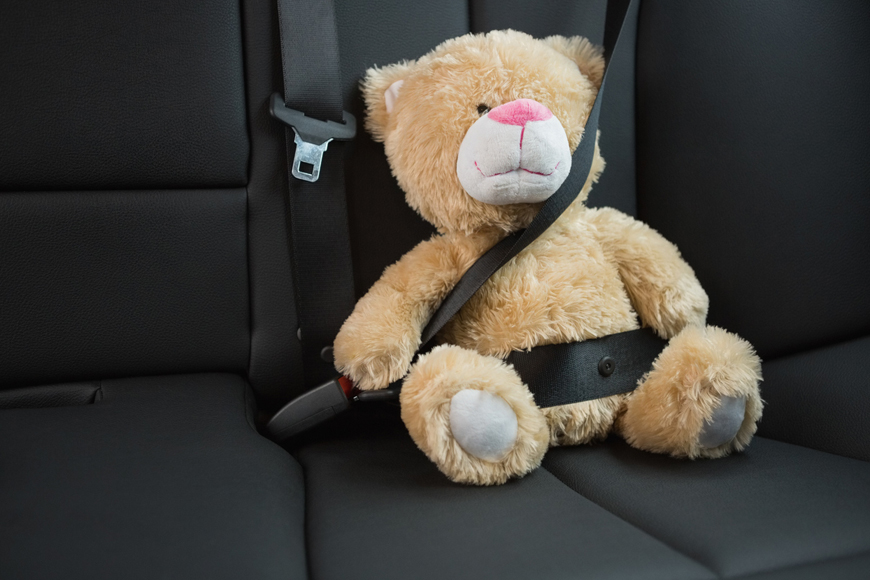
Following the tragic accident last weekend where a four-year-old and her one-year-old baby brother were killed, government officials have been issuing safety warnings to parents to ensure they comply with proper safety procedures for their children in vehicles.
We have all experienced first-hand how some drivers in the UAE think they are on a Formula One race track. Catastrophically, this translates into the UAE having one of the highest rates of traffic fatalities in the world with an astounding 10,000 crashes annually.
With a recent report cited by the Gulf News, a shocking 98% of children in the UAE do not wear seat belts, a large contributing factor as to why car accidents are responsible for 63% of all child deaths here last year.
The UAE Traffic Law prohibits children under the age of 10 to sit in the front seat. Instead, they should be buckled up in the back with toddlers and babies sitting in child seats, which can reduce fatal injuries by more than 70% for infants and 54% for toddlers.
Children and infants should not be on your laps, but in age-appropriate car or booster seats. Babies under the age of one or under 9 kg (20 lb) should be put in a rear-facing car seat, which should rest at a 45-degree angle and the seatbelt should not move more than 2.5 cm (1 inch). Use a towel or a piece of fabric to ensure these requirements are met. The chest clip of the seat should be at your baby’s chest at armpit level and the harness straps should be at or below her shoulders with only one finger width between the strap and her chest.
Once your toddler weighs 9 kg (20 lb), he can start riding facing forward. Follow the manual of the car seat and your car to ensure you properly install it and use the tether strap as the guide indicates. The shoulder straps should be at or below his shoulders with only one finger width between the strap and his chest.
Booster seats should be used for pre-school aged children up to the age of eight who weigh 18 kg or more, but less than 36 kg (40-80 lb), and who are less than 145 cm (4 feet, 9 inches) tall. Make sure that the lap and shoulder combination belt are used such that your child's head is supported by the top of the booster, vehicle seat or headrest and the shoulder strap is across her shoulder in the middle of the chest, while the lap belt crosses over the hips (lower than the stomach), and do not use seatbelt adjusters.
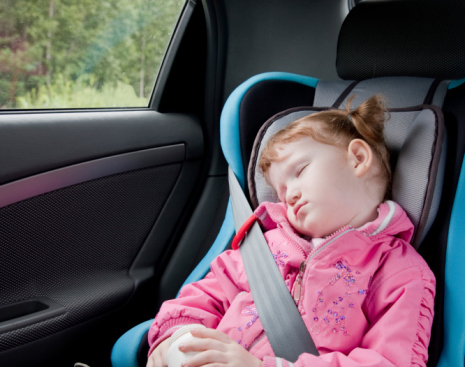
Children over these age and physical requirements can be buckled up in the seatbelts provided in the car. Make sure to never put two children in the same seatbelt or place the shoulder strap behind the child's back. Don’t forget about buckling up yourself either, not just in the front seat (which is required by law), but also in the back seat. It will help protect you and teach your kids by example.
Read about ‘Buckle Up in the Back’, a non-profit organisation founded by Dubai mum of two Lesley Cully and join her Facebook Group.











.png?itok=EH_x0Pha "Experience Extended Stays and Special Savings at Le Meridien Al Aqah Beach Resort UAE")


